Understand before acting.
Define the problem, the requirements, and the desired outcome before committing to a solution. A clear starting point makes every decision that follows more useful.
About Tradewinds Works
Practical industrial insight. Clear direction. The experience to help move good decisions into working reality.
Industrial solutions · Reliability · Execution
01 / The founder
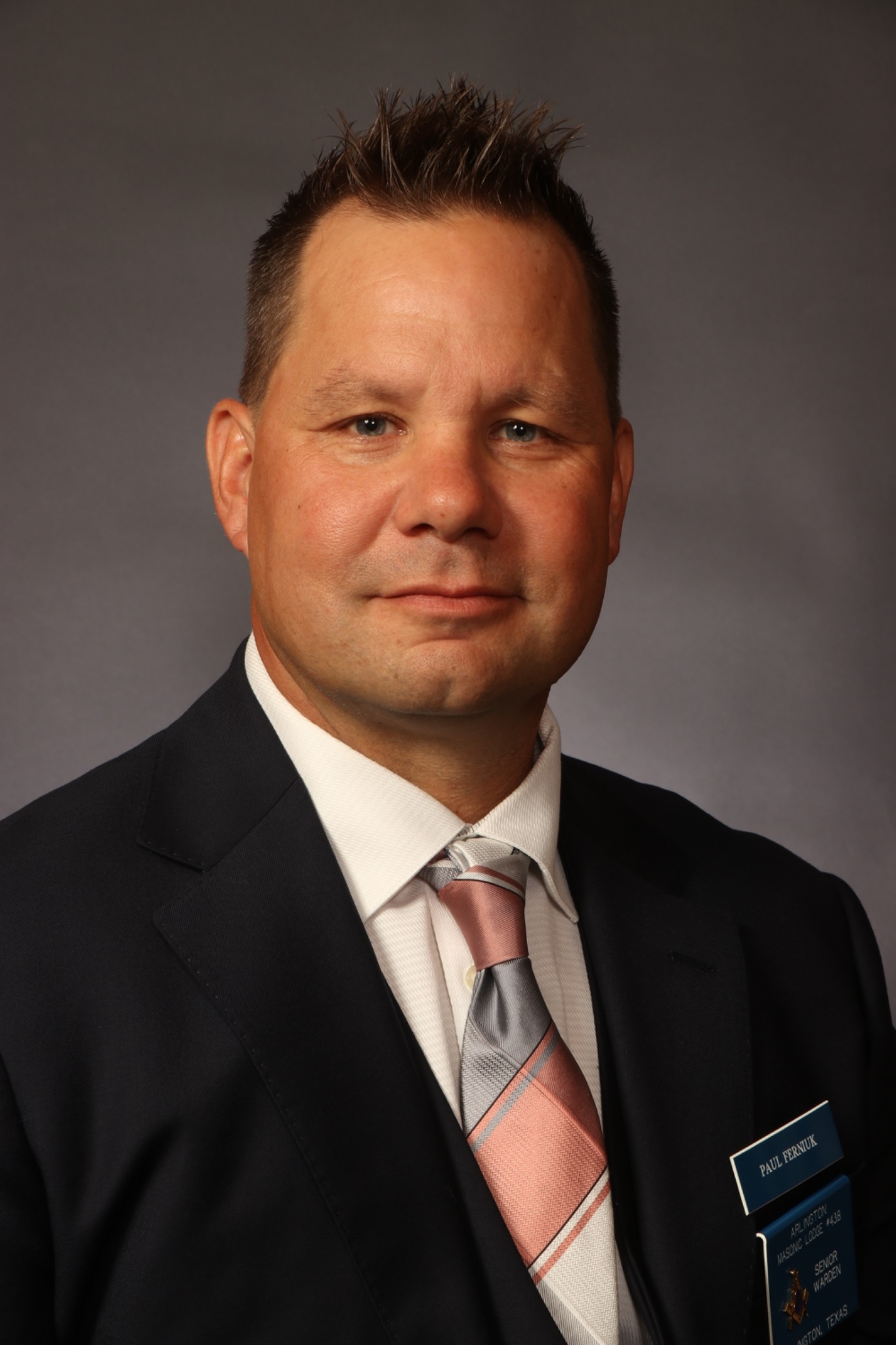
I founded Tradewinds Works around a straightforward belief: the quality of a solution depends on how well you understand the problem.
My career has included industrial maintenance, facilities management, production supervision, and ownership of a mechanical-services business, with experience in oil and gas, subsea-related manufacturing, and facilities operations. Alongside that practical experience, my studies in anthropology and psychology shaped an interest in how people think, how organizations operate, and why systems work the way they do.
That combination influences how I approach a facility challenge. I want to see the conditions, listen to the people doing the work, question the assumptions, and understand what a successful outcome actually needs to accomplish.
Tradewinds Works brings that perspective to organizations that need help turning an operational problem into a clear decision and a practical path forward.
Understand what is happening.
Then decide what needs to change.
Tradewinds Works is a registered DBA of Tradewinds Maintenance Services LLC.
02 / Our guiding principles
Four principles guide how we investigate, advise, and help execute.
Define the problem, the requirements, and the desired outcome before committing to a solution. A clear starting point makes every decision that follows more useful.
Look at the equipment, the environment, and the actual work. Listen to the people who operate and maintain the system. Their experience is essential evidence.
Separate what is known from what is being assumed. Test the proposed scope against the root cause, the alternatives, and the business case.
A recommendation must work in the real operating environment. Consider installation, maintenance, ownership, and the people who will use it long after the project closes.
Movement. Direction. Connection.
03 / Why Tradewinds?
The name has a personal connection to the Caribbean, and to the movement, exploration, and commerce associated with the trade winds.
What resonates most is the idea of an unseen force: transferring energy, creating direction, and supporting something larger than itself.
That is how I think about useful consulting. Understand the conditions. Find the right direction. Help people and systems move forward with purpose. The value is in the progress it makes possible.
04 / Our approach
Questioning an assumption is useful when it reveals a better option. We explore overlooked alternatives and assess them against operating needs, cost, installation, and long-term upkeep.
A technically sound change still depends on understanding, ownership, and adoption by the people doing the work.
Equipment, facilities, maintenance, and operations affect each other. The boundaries of a work order rarely define the whole problem.
Good planning considers access, sequencing, suppliers, responsibilities, and the realities of putting the solution into service.
Who we work with
Facilities and industrial teams facing a problem that needs investigation, definition, or practical execution support.
Find your next direction
Bring the challenge as it is. You do not need a finished scope or a predetermined solution to start a useful conversation.
info@tradewindsworks.com